
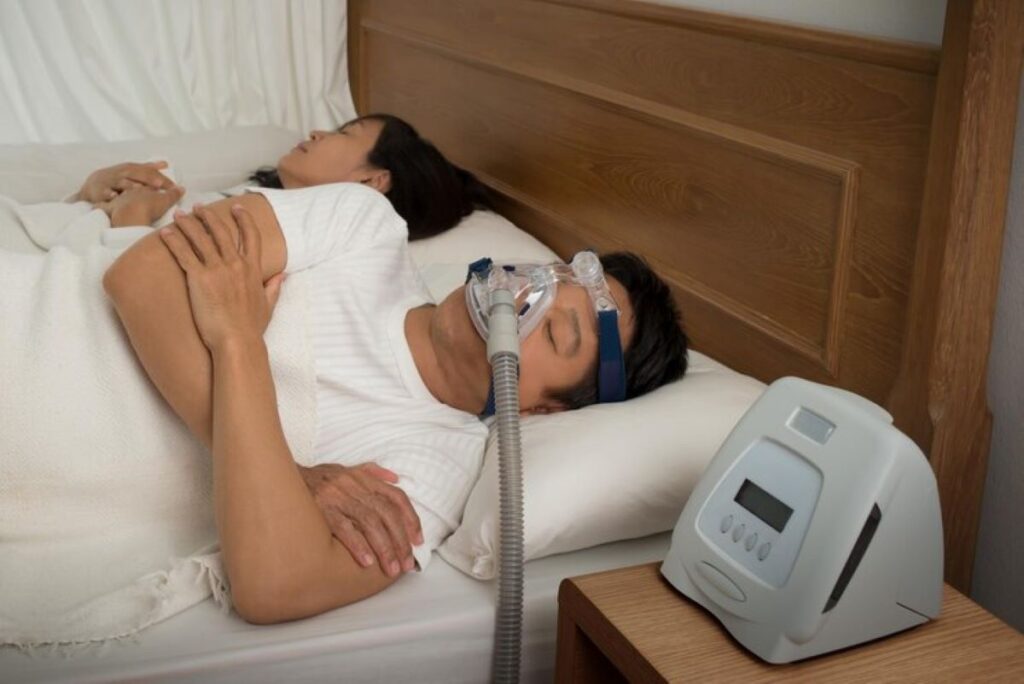
Choosing a CPAP mask is rarely about what looks best on a product page. It is about what seals comfortably, stays put overnight, and matches how they actually sleep in an Australian bedroom, whether that is a humid Queensland summer or a cool Melbourne winter.
This revisited guide breaks the choice down by sleeping style, breathing habits, comfort needs, and practical details like cleaning and availability through Australian suppliers.
What does “sleeping style” change when they are picking a CPAP mask?
Sleeping style changes where the mask touches the face, how much it shifts with movement, and how likely it is to leak. Side sleepers often need a low-profile mask, back sleepers can tolerate more bulk, and stomach sleepers usually need the least obtrusive option.
It also affects hose routing, strap marks, and whether they wake from small leaks. The right match reduces adjustments at 2 am and improves therapy consistency.
How can they identify their real sleeping style, not the one they assume?
They can start with what they wake up in, not how they fall asleep. Many people begin on their side and end up on their back or rotate between both. A simple check is to note their waking position for a week.
If they share a bed, a partner can help confirm movement patterns. A phone sleep tracker can also indicate frequent turns, which often correlates with mask stability issues.
Which mask type suits side sleepers best in Australia?
Side sleepers usually do best with nasal pillows or a compact nasal mask because there is less surface area to push into the pillow. A minimal frame reduces the chance of the cushion being knocked sideways and breaking the seal.
They may also benefit from a CPAP pillow sold by many Australian CPAP retailers, with side cut-outs to reduce pressure on the mask. If congestion is common, they might still need a full face option with a softer, narrower profile.
Which mask type suits back sleepers best?
Back sleepers can often use any mask style because the pillow is less likely to disturb the seal. That flexibility makes it easier to choose based on comfort, breathing, and pressure rather than movement.
Full face masks can work well here, especially if they breathe through their mouth. Nasal masks can also be excellent if they want a lighter feel and do not struggle with leaks.
Which mask type suits stomach sleepers best?
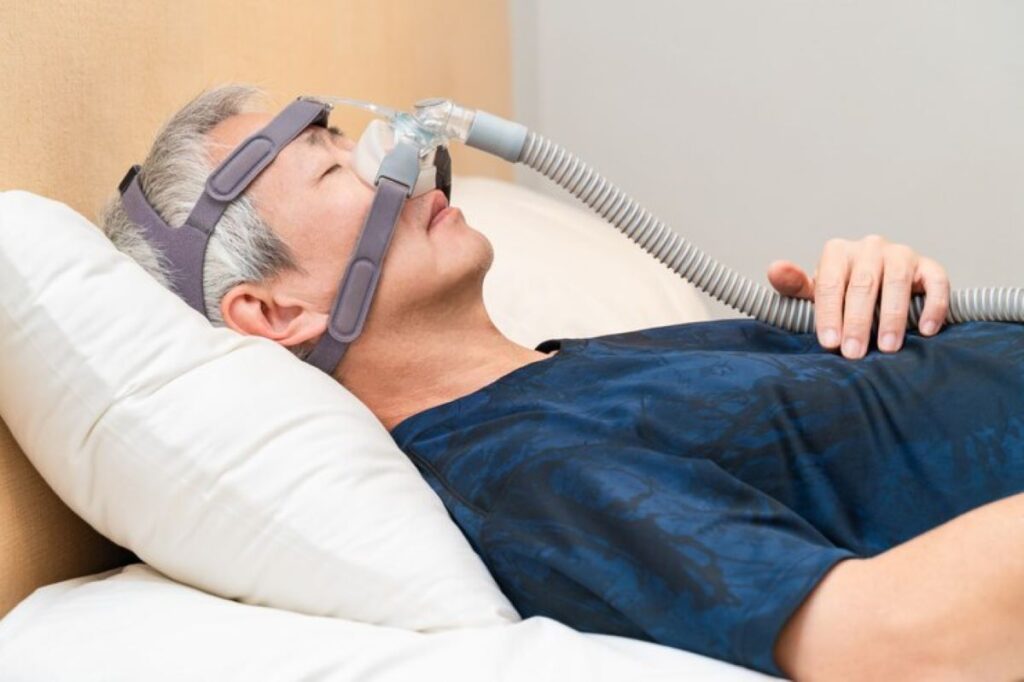
Stomach sleeping is the hardest style for mask fit because the face presses into the pillow and the head often turns sharply to one side. Nasal pillows are commonly the most workable choice because they sit close to the nostrils and avoid large contact points.
They may also want a top-of-head hose connection to reduce tugging. If stomach sleeping is non-negotiable, they should prioritise minimal bulk over everything else.
How should they choose between nasal pillows, nasal masks, and full face masks?
They should choose based on breathing route, comfort tolerance, and leak control. Nasal pillows suit people who want the least contact and can breathe through their nose. Nasal masks suit those who want a stable seal without the “in-nose” feel.
Full face masks suit mouth breathers, higher pressures, or frequent nasal blockage. When in doubt, the best CPAP mask for your sleeping style is the one that seals in their most common position with the least tightening.
What if they breathe through their mouth during sleep?
If they reliably mouth-breathe, a full face mask is usually the simplest fix. Mouth taping and chin straps can work for some, but they add complexity and may reduce comfort.
Dry mouth in the morning is a common clue, though not definitive. For many, the best CPAP mask for your sleeping style is the one that keeps therapy effective without forcing them to “train” their sleep habits.
How does nasal congestion affect mask choice in Australian climates?
Congestion can make nasal masks and pillows frustrating, especially during hay fever seasons or winter colds. In many parts of Australia, dryness from air conditioning or heating can also irritate nasal passages.
A heated humidifier and heated tube often help, but if blockage is frequent, a full face mask offers a safety net. In those cases, the best CPAP mask for your sleeping style may change seasonally.
How do they match mask choice to CPAP pressure settings?
Higher pressures can increase leak risk, especially with nasal pillows if the seal is not ideal. A stable nasal mask or full face mask can feel more secure when pressures ramp up.
That said, many people use nasal pillows successfully at higher pressures with the right size and headgear adjustment. A clinician or Australian sleep clinic can confirm whether pressure is contributing to leaks before they switch masks.
How should they handle leaks without overtightening the straps?
Overtightening often makes leaks worse by distorting the cushion and creating pressure points. They should aim for a gentle, even seal and adjust while lying in their typical sleep position with the machine running.
If leaks persist, they may need a different cushion size, a different mask model, or a mask liner. Often, the best CPAP mask for your sleeping style is the one that seals with less effort, not more force.
What role does facial hair play in picking a mask?
Beards and stubble can reduce seal quality, particularly with full face masks. Nasal pillows often bypass the problem because they seal at the nostrils rather than across the upper lip or cheeks.
If they prefer a full face mask, they may need a different cushion material or a model designed to cope better with facial hair. Regular cushion cleaning also matters more when oils build up.
How should they choose the right size and shape?
They should use the manufacturer’s fitting template and treat it as a starting point, not a guarantee. Face shape, nose bridge height, and cheek structure can change how a “correct” size actually sits.
In Australia, many suppliers and some sleep clinics offer fit packs or trial programmes. Getting sizing right is central to finding the best CPAP mask for your sleeping style because even a great model fails when the cushion is wrong.
See Also : Buy CPAP Mask Online: Trusted Retailers and What to Look For
Should they prioritise comfort features or seal performance?
They should prioritise seal performance first, then comfort, but they should not accept pain as “normal”. A mask that seals perfectly but causes sores will reduce long-term adherence.
Comfort features like softer cushions, flexible frames, and quieter vents can be the difference between wearing it all night or removing it unconsciously. The goal is a stable seal that feels forgettable.
How do they choose a mask if they wear glasses or read in bed?
They should look for minimal forehead support and a clear line of sight. Many nasal pillows and under-the-nose cushions work well for reading because they sit lower on the face.
A top-of-head hose connection can also keep the tube out of the way. For bedtime routines, the best CPAP mask for your sleeping style is often the one that fits their pre-sleep habits as well as their sleep position.
What should they consider if they sleep hot or sweat overnight?
Sweat can increase slipping and break the seal, especially with smooth silicone against oily skin. They may benefit from a fabric wrap on the frame, a different cushion texture, or a mask liner.
They should also consider room temperature and humidifier settings, particularly in warmer Australian states. A stable, breathable setup helps the mask stay put through the night.
How important is hose routing for different sleeping positions?
Hose routing matters more than many people expect. Side and stomach sleepers often experience “hose drag”, where the tube pulls the mask as they turn.
A top-of-head connection or a hose holder can reduce tugging. When movement is frequent, the best CPAP mask for your sleeping style is typically the one that manages the hose naturally, not the one that requires constant repositioning.
How often should they clean and replace mask parts in Australia?
They should clean the cushion regularly to remove facial oils that cause slipping and leaks. Many people do best with a quick daily wipe and a deeper weekly clean using mild soap and warm water, then air-drying out of direct sunlight.
Replacement schedules vary, but cushions often wear sooner than frames. They should check with their supplier and their private health cover rules if applicable.
How can they trial masks without wasting money?
They can ask Australian CPAP retailers about 30-day satisfaction policies, exchange programmes, or fit packs. Some sleep clinics also allow supervised fitting and short trials.
They should keep notes during the trial: leak data, comfort issues, red marks, dry mouth, and wake-ups. This makes the next adjustment faster and increases the odds they land on the right option.
What quick checklist helps them decide before they buy?
They can use a simple checklist: primary sleep position, whether they mouth-breathe, typical congestion level, sensitivity at the nose bridge, facial hair, and how much they move. Then they can shortlist one mask style and two models to trial.
If they wake with leaks on their side, they should go smaller and lighter. If they wake with dry mouth, they should consider full face options first. Check out more about Nose and sinus problems – Health.
How do they know they have found the right mask?
They will know because use becomes consistent and boring. Leaks drop, strap marks reduce, and they stop thinking about the mask during the night.
Data can confirm it, but comfort is equally important. For most people, the best CPAP mask for your sleeping style is the one they can wear all night, every night, across Australia’s changing seasons without a fight.
FAQs (Frequently Asked Questions)
How does my sleeping style affect the choice of CPAP mask in Australia?
Your sleeping style influences where the mask contacts your face, how much it shifts during sleep, and the likelihood of leaks. Side sleepers generally benefit from low-profile masks like nasal pillows or compact nasal masks to reduce pressure against pillows. Back sleepers can use a wider range of masks since their pillow is less likely to disturb the seal, often choosing full face or nasal masks based on comfort and breathing. Stomach sleepers require minimal bulk masks such as nasal pillows with top-of-head hose connections to avoid tugging and maintain seal integrity.
What is the best way to identify my true sleeping style for selecting a CPAP mask?
To determine your real sleeping style, observe the position you wake up in rather than how you fall asleep. Many people start on their side but end up on their back or rotate during the night. Keeping a sleep diary for a week noting waking positions or using a partner’s observations can help. Additionally, phone sleep trackers can reveal frequent movements that may impact mask stability and leak issues.
Which CPAP mask types are recommended for side sleepers in Australian climates?
Side sleepers usually do best with nasal pillows or compact nasal masks because these have less surface area pressing into the pillow, reducing displacement and leaks. Using CPAP pillows with side cut-outs available from Australian suppliers can further reduce pressure on the mask. If nasal congestion is an issue, a softer, narrower full face mask may be necessary to maintain comfort and effective therapy.
How should mouth breathers choose a CPAP mask?
If you consistently breathe through your mouth during sleep, a full face mask is typically the most straightforward solution to maintain effective therapy without discomfort. While mouth taping or chin straps are options, they can complicate use and reduce comfort. Dry mouth upon waking is often an indicator of mouth breathing, guiding mask selection toward full face options that accommodate this breathing habit.
What impact does nasal congestion have on CPAP mask selection in Australia?
Nasal congestion, common during hay fever seasons or winter colds in Australia, can make nasal masks and pillows challenging due to frequent blockages. Environmental dryness from air conditioning or heating also irritates nasal passages. Using heated humidifiers and heated tubing helps alleviate symptoms; however, if congestion persists, switching to a full face mask provides a reliable alternative. Seasonal changes may necessitate adjusting your mask choice accordingly.
How can I manage CPAP mask leaks without overtightening straps?
Overtightening straps often worsens leaks by distorting cushions and creating pressure points. Aim for a gentle, even seal while lying in your usual sleep position with the machine running. Persistent leaks may indicate the need for a different cushion size or model, or adding a mask liner. The best CPAP mask for your sleeping style is one that achieves a secure seal with minimal tightening effort.